:quality(50))
:quality(50))
AI-Enabled Cyber Security Threats
In its July 2026 letter on AI-enabled cybersecurity threats, the European Central Bank warns that emerging AI models can identify software vulnerabilities and generate working exploits at unprecedented speed. The result is a compressed window between the discovery of a vulnerability and its potential exploitation. The ECB is describing this as a long-term change in the threat landscape.
What This Letter Means for Your Management
The ECB expects these companies to assess the impact of the evolving threat landscape and develop a comprehensive action plan with concrete measures, resources, responsibilities, and implementation timelines. The deadline for submission to the respective Joint Supervisory Team is 31 October 2026.
For CEOs in particular, it is crucial to update the cybersecurity strategy and be honest about where their weaknesses are and what they are doing to address them.
ECB Recommendations
The ECB's recommendations cover a broad cybersecurity landscape, from vulnerability and patch management to third-party risk, infrastructure modernization, incident response, and overall visibility.
One standout recommendation is to strengthen monitoring of application and access logs, as well as other indicators, particularly for critical internal systems.
It highlights zero-trust principles and continuous verification of users, applications, and service accounts.
In addition, it calls for “strong baseline controls,” specifically secure configuration, robust access controls based on least privilege, and comprehensive logging.
For banks whose critical business processes depend on IBM Z, that should put the RACF environment at the forefront of the threat assessment. RACF determines who and what can access critical mainframe resources, but management should ask whether these access controls are as secure as we think they are.
Who has access?
Is access to critical resources still justified?
Can we detect RACF security threats quickly enough?
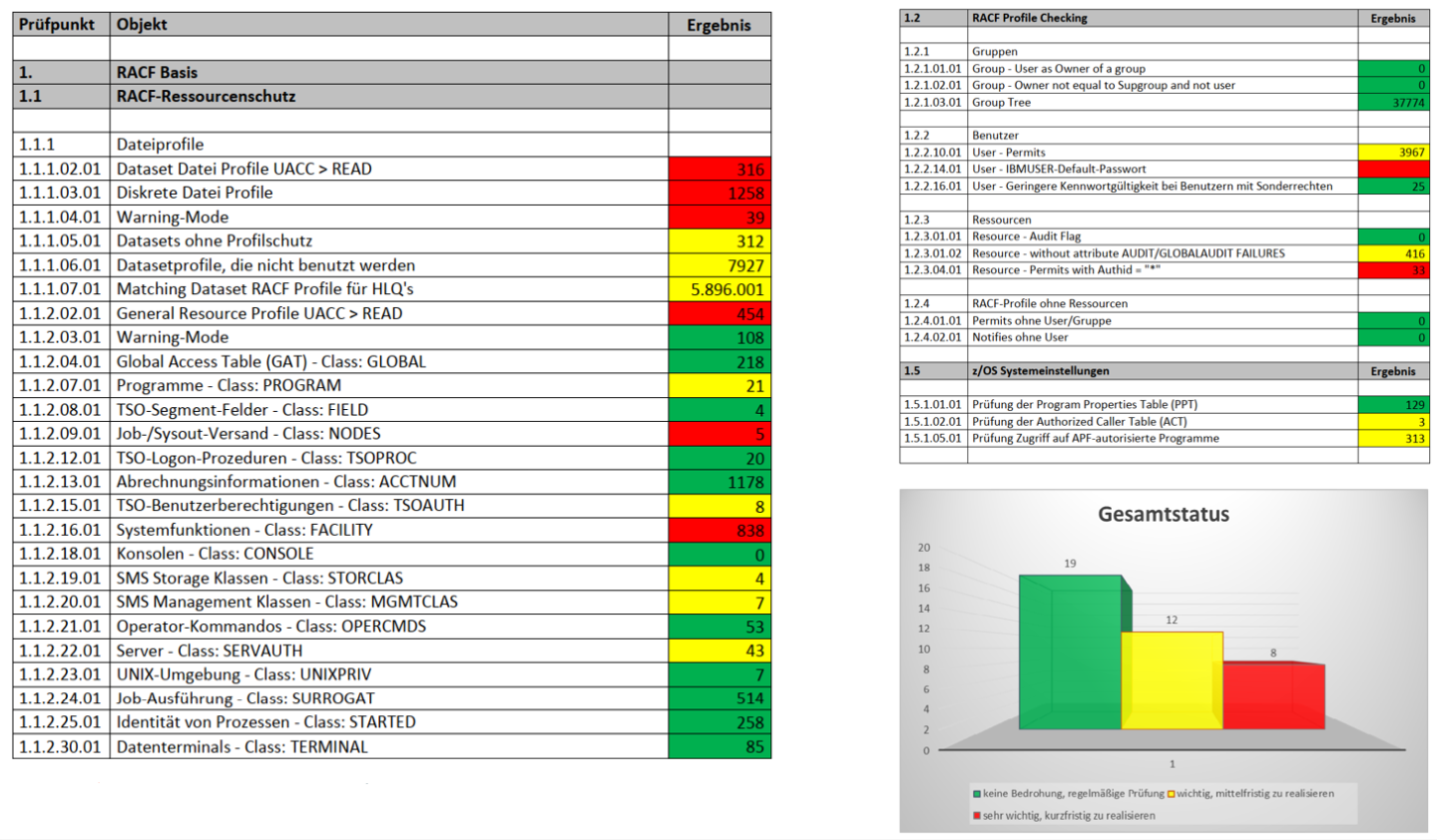
A RACF Security Audit with Beta Systems
A RACF security audit can establish the current state of the mainframe access-control environment, identify weaknesses, and provide a fact-based foundation for remediation priorities in line with the ECB initiative.
At Beta Systems, we offer RACF audit services designed to examine a client’s RACF environment and identify security weaknesses for remediation. This report creates a documented baseline from which the organization can prioritize where to take immediate action.
An audit is most valuable when it starts an improvement cycle rather than a one-off exercise, and this is where Beta Access can make a difference.
Pro Tip
Don’t treat your RACF security assessment as a one-off compliance exercise. Use it to establish a measurable baseline, then continuously monitor access and critical security events to demonstrate ongoing improvement.
Continuously Auditing with Beta Access
Beta Access provides a central point of control for RACF environments and combines RACF administration, analysis, auditing, reporting and monitoring capabilities. Organizations can analyze RACF databases, SMF data and z/OS environment settings, while auditors can generate reports without requiring direct access to the z/OS environment or specialist RACF knowledge.
For the requirements highlighted by the ECB, three capabilities are particularly relevant:
1. Turn access-control assumptions into evidence
The ECB emphasizes robust access controls, low-privilege rights, secure configuration, and comprehensive logging as baseline elements of your cybersecurity strategy.
Beta Access provides visibility into RACF information and enables organizations to analyze permissions and RACF configuration rather than relying solely on assumptions about how the environment was originally designed. Beta Access also captures and logs changes in a dedicated relational database, giving administrators and auditors an accessible record of RACF data and changes.
For management, that means a straightforward way to gather evidence on control effectiveness and areas for improvement.
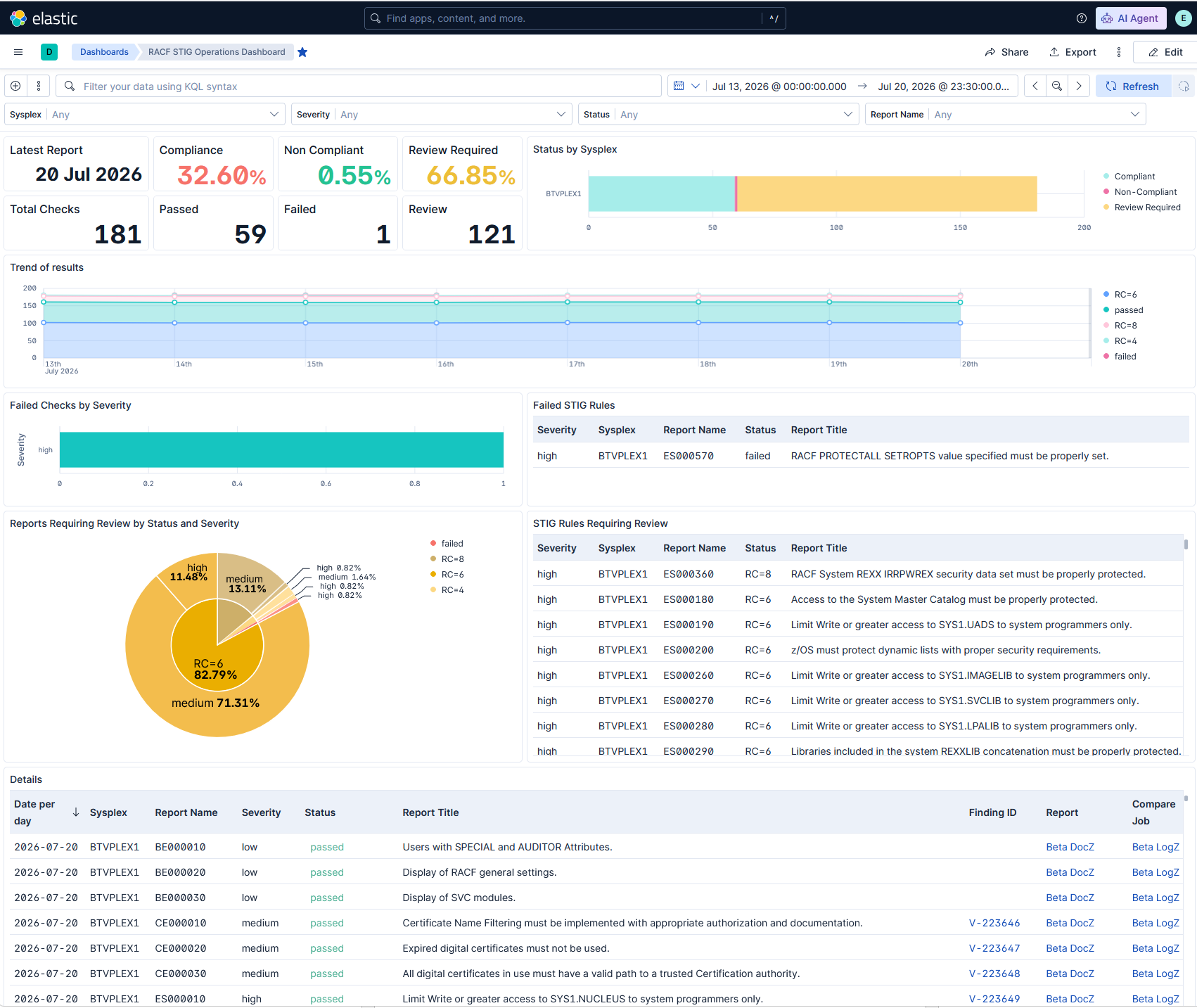
2. Benchmark RACF security against STIG recommendations
Beta Access supports security analysis using Security Technical Implementation Guide (STIG) recommendations. Beta Systems' current STIG capabilities cover about 80% of relevant STIG requirements, giving banks a structured way to assess RACF security controls and flag deviations for further investigation.
For executive stakeholders, a dashboard that provides a consistent view of the data is also considerably more actionable than hundreds of individual RACF settings.
3. Move from periodic review to real-time monitoring
The ECB specifically calls on banks to strengthen monitoring and detection as AI increases the speed at which attacks can develop.
Beta Access Monitor provides real-time alerts for critical RACF and security-relevant events, including unauthorized access to sensitive data or changes to critical user attributes. Events can be escalated to defined recipients or operations monitoring systems.
As attackers move faster, security teams must reduce the time between event, visibility, and response. Mainframe access monitoring should be part of that process.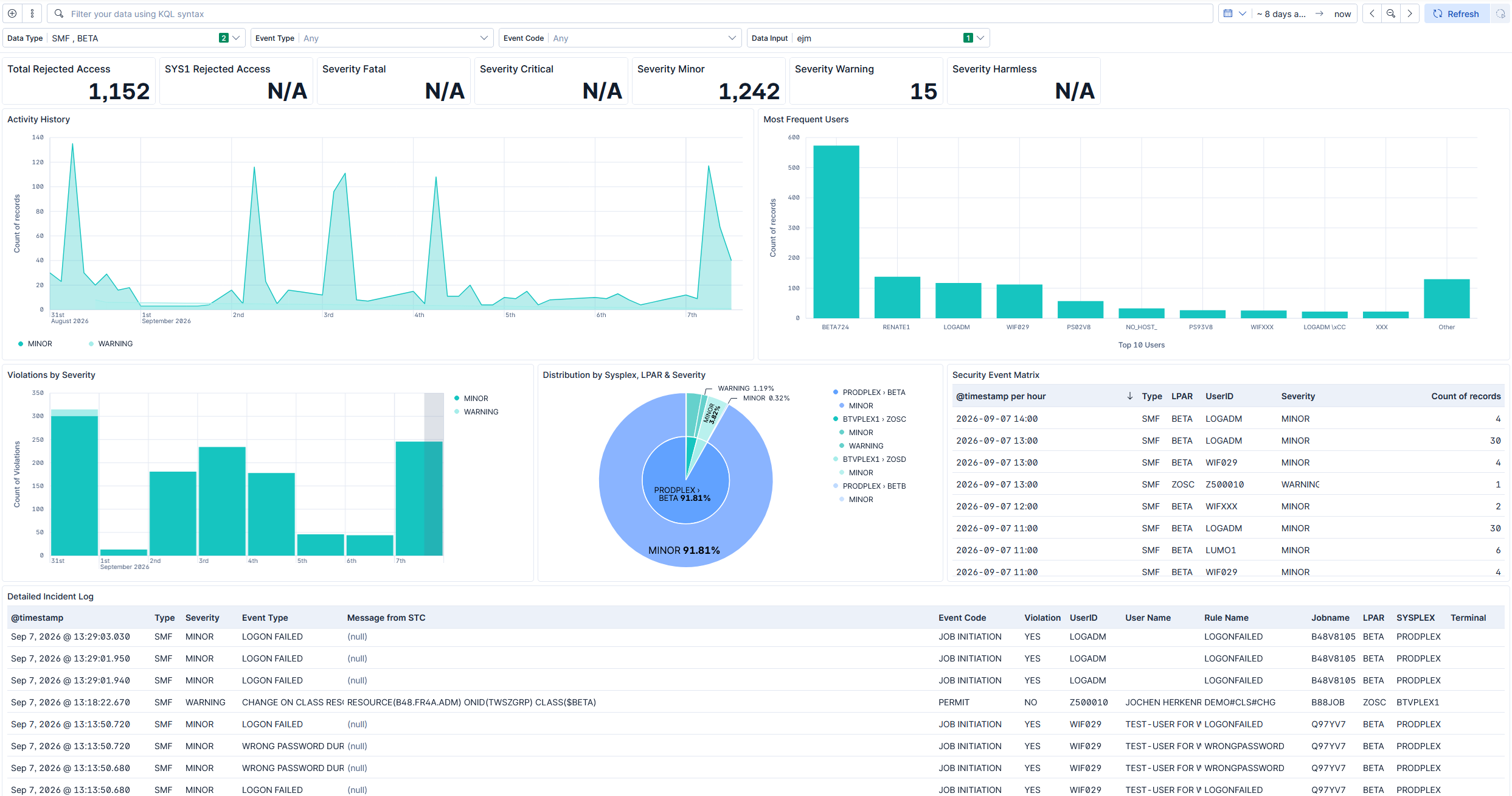
Conclusion
With October just around the corner, banks need to begin preparing a response to the ECB initiative, which asks them to present how they will adapt to a changing threat landscape moving at AI speed. The plan should combine strategic initiatives with concrete metrics that demonstrate measurable progress. For the mainframe, a RACF security assessment is one such metric.
Beta Systems can help banks start with a focused RACF Audit Service to identify weaknesses in the existing environment and establish a security baseline. From there, Beta Access can support ongoing analysis, STIG-based reporting, centralized RACF management, and real-time monitoring of critical security events to address the control expectations set out in the ECB letter.
Talk to Beta Systems about a RACF security assessment and find out how Beta Access can turn your mainframe access controls into a measurable part of your ECB cybersecurity action plan.
Ready to Improve Your Cyber Security in the Age of AI?
Contact our team to see how Beta Access can become an integral part of your cybersecurity strategy.
:quality(50))
:quality(50))
:quality(50))