Intelligence
Agentic Automation Platform for Governed, Autonomous Operations Across Hybrid IT
Our solution delivers autonomous control across complex hybrid IT landscapes, ensuring compliance and mitigating skills gaps without costly rip-and-replace. We empower enterprises to achieve measurable ROI within 12 months through intelligent and adaptive operations.
Key Challenges
in Agentic Automation Adoption
Fragmented IT Orchestration and no Central Visibility
Managing diverse automation tools across mainframe, cloud, and distributed environments leads to IT orchestration chaos, manual handoffs, and inconsistent decision-making. This fragmentation results in service outages, increased operational costs, and an inability to gain end-to-end visibility across critical business processes. Recognizing this challenge highlights the need for a unified control plane that can integrate and orchestrate across heterogeneous landscapes, offering decision-makers a clear path toward more reliable and efficient operations.
Skills Gaps and Modernizing Legacy Systems
The retirement of mainframe experts highlights a critical skills gap that can make IT leaders feel the weight of their responsibility to maintain operational stability and support modernization efforts. This challenge underscores the need for proactive strategies to ensure continuity and innovation.
Business Impact of Technical Issues and Compliance Risks
Technical issues often result in service outages, which can erode credibility and make engineers feel their efforts are insufficient. Incomplete audit trails and transparency gaps increase compliance risks, highlighting the need for immediate attention. Traditional automation's lack of adaptability and observability hampers effective governance and risk mitigation.
AI Adoption Barriers and Governance Deficiencies
While the potential of AI is recognized, enterprises often lack the necessary infrastructure and governance frameworks to embed AI effectively into real workflows. Highlighting these gaps can make enterprise leaders feel responsible and motivated to prioritize solutions, which is essential for fostering a proactive approach to AI integration.
Our Solution
for Governed Agentic Automation
Our solution redefines enterprise operations by converging intelligent orchestration, automation, and observability. We provide a unified platform that transforms complex hybrid IT landscapes into autonomously controlled, outcome-centric environments, all while maintaining rigorous governance and compliance.


Unified Operations Platform for Hybrid IT
Unlike many traditional schedulers, ANOW! Automate offers native support for SAP web service and BAPI calls, enabling direct access to core SAP functionalities. This integration ensures your automations are robust, maintainable, and aligned with SAP best practices, ultimately reducing development time and effort.


Outcome-Centric Orchestration and Real-time Adaptability
Our solution shifts the focus from merely executing jobs to achieving measurable business outcomes. It provides intent-driven execution, prioritization based on business impact, and self-optimizing routing that adapts execution paths dynamically based on performance and telemetry. This continuous adjustment transforms orchestration into an adaptive, impact-driven enterprise control, reducing bottlenecks and proactively addressing potential issues at machine speed.


Automation-First Observability with Business Insights
Our platform extends observability beyond infrastructure metrics to provide real-time orchestration intelligence directly linked to business impact. It quantifies financial exposure to system failures, forecasts SLA breaches, and models systemic risk, turning telemetry into executive decision data. This enables dynamic dashboard assistance and decision-making support for leaders, conversational interfaces for interrogating operational data, accelerating decision-making, and transforming observability into a strategic governance instrument.


Governed AI Automation and Agent Management
We embed AI directly into the orchestration runtime, supporting dynamic, event-driven graph synthesis for adaptable workflows. This enables intelligent, agentic capabilities within strict governance boundaries, ensuring the system remains reliable and flexible for evolving needs. This allows for autonomous decision-making and action while preserving control, compliance, and traceability. Our solution facilitates multi-agent collaboration within policy boundaries, ensuring full observability and auditability for every AI-assisted decision.
Your Benefits
of Governed Agentic Automation
Data Integrity & Global Excellence
Benefit from 40+ years of experience from a global vendor committed to local compliance (e.g., GDPR and ISO 27001), data security, and peace of mind for highly regulated industries.
Higher Operational Resilience
Implement self-healing, adaptive responses, and autonomous recovery at machine speed, significantly reducing downtime and escalations across your hybrid IT.
Faster Business Outcomes
Achieve dynamic orchestration that eliminates bottlenecks and accelerates time-to-result, ensuring critical business processes are completed efficiently and reliably.
Our Products
for Agentic Automation

Integration Architecture
Discover Your Integration Possibilities
Connect your Beta Systems platform with the enterprise applications, APIs, and services that you already use. Streamline data exchange and orchestrate end-to-end workflows across your IT landscape.
Resources
for Agentic Automation

The Road to Enterprise Orchestration
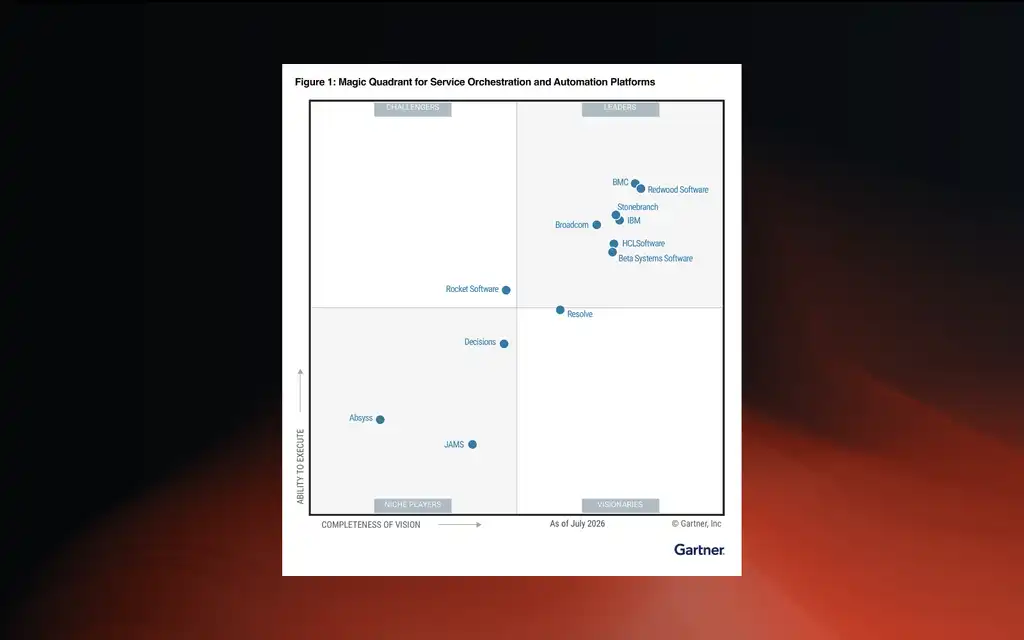
Where Enterprise Automation Is Heading: Insights from the 2026 Gartner® Magic Quadrant™ for SOAP

Eduardo Raygadas de la Torre on Mainframe, AI & Modern Automation
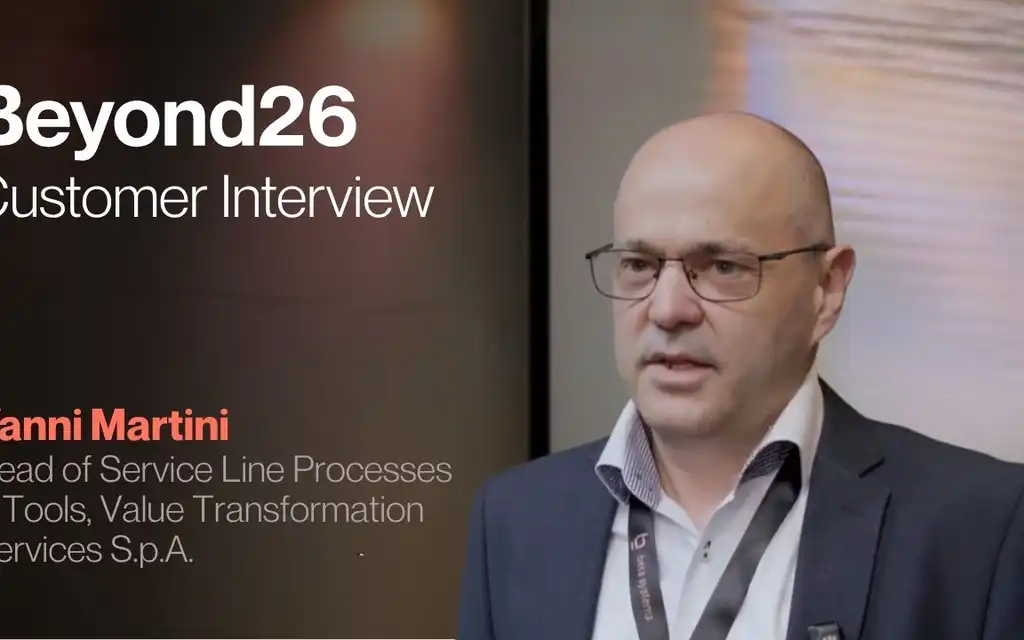
Vanni Martini Sees a Strong Future for the Mainframe

Ready to Transform Your Operations with Governed Autonomy?
Frequently Asked Questions
Agentic automation refers to automation powered by AI agents that can make decisions and take actions autonomously. Unlike traditional automation, which follows predefined rules, agentic AI adapts, learns, and optimizes its behavior based on dynamic environments and goals, drastically reducing the need for human intervention.
Traditional automation relies on predefined rules and static workflows, requiring human intervention for changes or issues. Agentic Automation, however, uses AI agents to autonomously make decisions, adapt to dynamic environments, and continuously learn and optimize its behavior, significantly reducing the need for constant human oversight.
Our approach is specifically designed for phased rollouts, allowing you to integrate our solution incrementally without operational disruption. We prioritize coexistence with your current tools and protect your existing investments, ensuring a smooth transition with minimal risk and maximum stability.
While other platforms may offer automation, our solution stands out by providing a unified, outcome-centric control plane for governed agentic automation across your entire hybrid IT landscape. We excel in architecturally integrated observability and embedded AI governance, ensuring auditable, policy-enforced autonomous operations.
ANOW! applies AI and agentic capabilities within a governed enterprise orchestration model. Organizations determine which activities may be automated, which recommendations require review, and which actions must pass through an approval process before execution.
This allows autonomy to be introduced selectively, based on operational risk, policy, and business criticality. Human oversight, role-based controls, approvals, and auditability remain part of the operating model, helping organizations gain the benefits of intelligent operations without surrendering operational control.
ANOW! treats AI as an enhancement to governed enterprise orchestration rather than as an uncontrolled execution mechanism. AI-assisted recommendations and actions operate within defined workflows, permissions, approval policies, and audit controls.
The platform records workflow execution and operational activity so teams can investigate what action occurred, what workflow and policy governed it, and what operational context was available. Where a process requires recovery, the response is implemented through defined exception handling, recovery workflows, retries, compensating actions, or human intervention appropriate to that process.