:quality(50))
:quality(50))
What Is Multi-Cloud Management?
Multi-Cloud Management is the ability to control, orchestrate, monitor, and optimize workloads across two or more cloud platforms from a single point of control. It’s not just about visibility – it’s about creating a standardized operational model that spans AWS, Azure, GCP, and beyond.
When done right, Multi-Cloud Management allows teams to maintain consistent security, performance, cost, and governance policies, regardless of where the workloads live. The goal is to provide seamless operations that empower developers, operations, finance, and security teams to collaborate without switching tools or duplicating effort.
Why Multi-Cloud Is the New Normal
Today’s businesses demand agility. Teams need to build, deploy, and scale applications quickly, without being locked into a single provider. According to industry reports, nearly 90% of enterprises already use two or more public clouds. The motivations are clear:
Innovation freedom: Developers want access to best-in-class services. For example, AI workloads might run better in Google Cloud, while analytics could be optimized in Azure.
Resilience: Spreading workloads across providers reduces the risk of downtime and ensures continuity, especially in regulated sectors such as finance and healthcare.
Cost optimization: Not all workloads are created equal. Running latency-sensitive apps close to users or leveraging spot pricing can lead to significant savings.
Despite the benefits, multi-cloud strategies introduce serious friction if not managed intentionally. Each cloud comes with its own APIs, consoles, pricing structures, and compliance models. So, without a unified strategy, everything can get really complex.
:quality(50))
:quality(50))
ANOW! Automate Cloud Orchestration Integrations
Why Native Tools Aren’t Enough
Enterprises typically start their cloud journey by leaning on provider-native tools. AWS CloudWatch, Azure Monitor, GCP’s Operations Suite – all excellent within their domains. But as companies scale across providers, these become really fragmented, and operations teams face a daily reality of:
Navigating separate monitoring systems and dashboards
Reconciling different billing reports and pricing models
Enforcing inconsistent security and compliance policies
Dealing with repetitive manual work just to keep services in sync
This fragmentation doesn’t just slow teams down; it increases risk. Gartner predicts that by 2026, over 70% of cloud failures will result from misconfigurations and manual errors, not platform outages. Manual workflows, patchwork scripts, and isolated processes may work for one cloud. But in a multi-cloud world, they simply don’t scale.

Integration Architecture
Discover Your Integration Possibilities
Connect your Beta Systems platform with the enterprise applications, APIs, and services that you already use. Streamline data exchange and orchestrate end-to-end workflows across your IT landscape.
How Workload Automation Transforms Cloud Operations
What began as simple job scheduling in traditional data centers has evolved into a powerful orchestration capability spanning cloud-native, hybrid, and legacy environments. Modern workload automation enables teams to design workflows that:
Respond to real-time events
Trigger dependent actions across different clouds
Run based on business calendars and compliance windows
Automatically scale up/down based on demand or rules
Enforce security, tagging, and budget policies within execution
Instead of hand-coded scripts for every platform, today’s teams can create reusable, intelligent workflows that operate across the entire IT landscape. A single automation flow can extract data from AWS, transform it in Google Cloud, store the result in Azure, and notify users via Microsoft Teams. This is the heart of multi-cloud automation: eliminating human error, accelerating deployment, and embedding governance directly into the process.
:quality(50))
:quality(50))
Core Capabilities of Enterprise-Grade Multi Cloud Automation
To deliver on its promise, a workload automation platform must support a few foundational features:
Integration flexibility: Automation must work across all your systems, cloud platforms, legacy applications, databases, APIs – without creating silos. Whether through prebuilt connectors or custom extensions, interoperability is simply non-negotiable.
Event responsiveness: Instead of relying solely on time-based triggers, modern workflows respond to real-time events such as file uploads, system alerts, or status changes, enabling faster, smarter operations.
Context-aware execution: It allows workflows to adapt based on runtime data (such as region, priority, or data classification), enabling dynamic, rule-based decision-making.
Governance and visibility: These ensure automation stays compliant and auditable. Detailed logging, access control, and approval workflows are essential for maintaining control at scale.
Usability and scalability: Automation should be intuitive for both IT and business teams, and powerful enough to support thousands (or millions) of jobs without performance bottlenecks.
Pro Tip
When evaluating multi-cloud orchestration solutions, prioritize platforms with native Managed File Transfer (MFT) capabilities. This ensures secure, real-time data movement between on-premises and cloud environments, critical for hybrid workload automation, hybrid cloud data transfer, and compliance.
Governance, Cost Control & Compliance in Multi-Cloud
As cloud strategies mature, regulatory, financial, and operational oversight become increasingly important. Without automation, managing governance across clouds is error-prone and inefficient. With automation, it becomes embedded in the process.
Take compliance, for instance. Rather than relying on manual reviews, automated workflows can enforce data residency, encryption standards, and identity policies at runtime. Cost visibility also improves dramatically. When automation enforces tagging and ownership across resources, finance teams can track spending in real time and take corrective action before overruns occur.
Audit readiness becomes simpler, too. Every automated action – whether it’s provisioning a VM or archiving customer data – is recorded. When regulators ask “who, what, when, where,” your logs already have the answers. Ultimately, automation ensures that governance is part of the operating model.
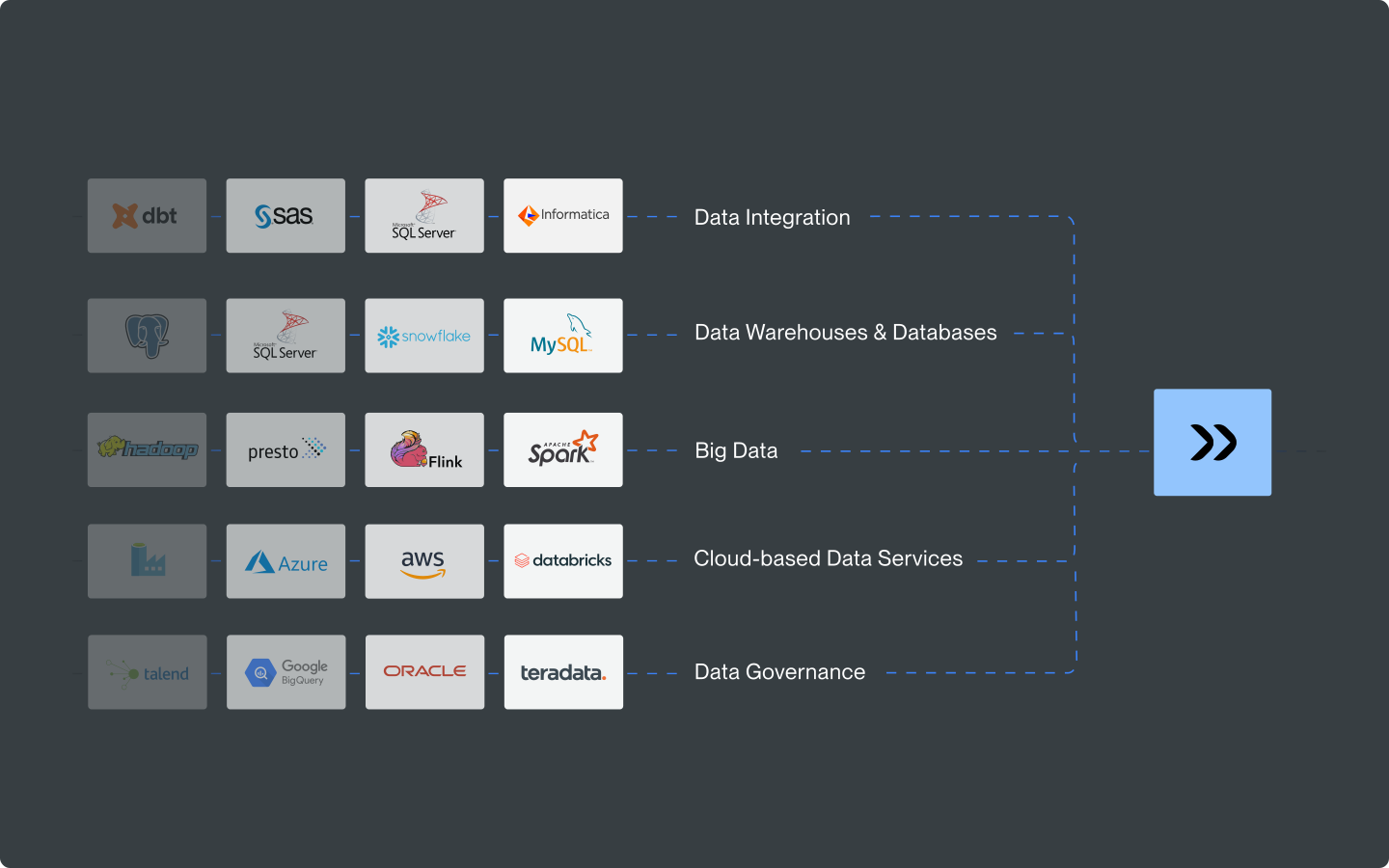
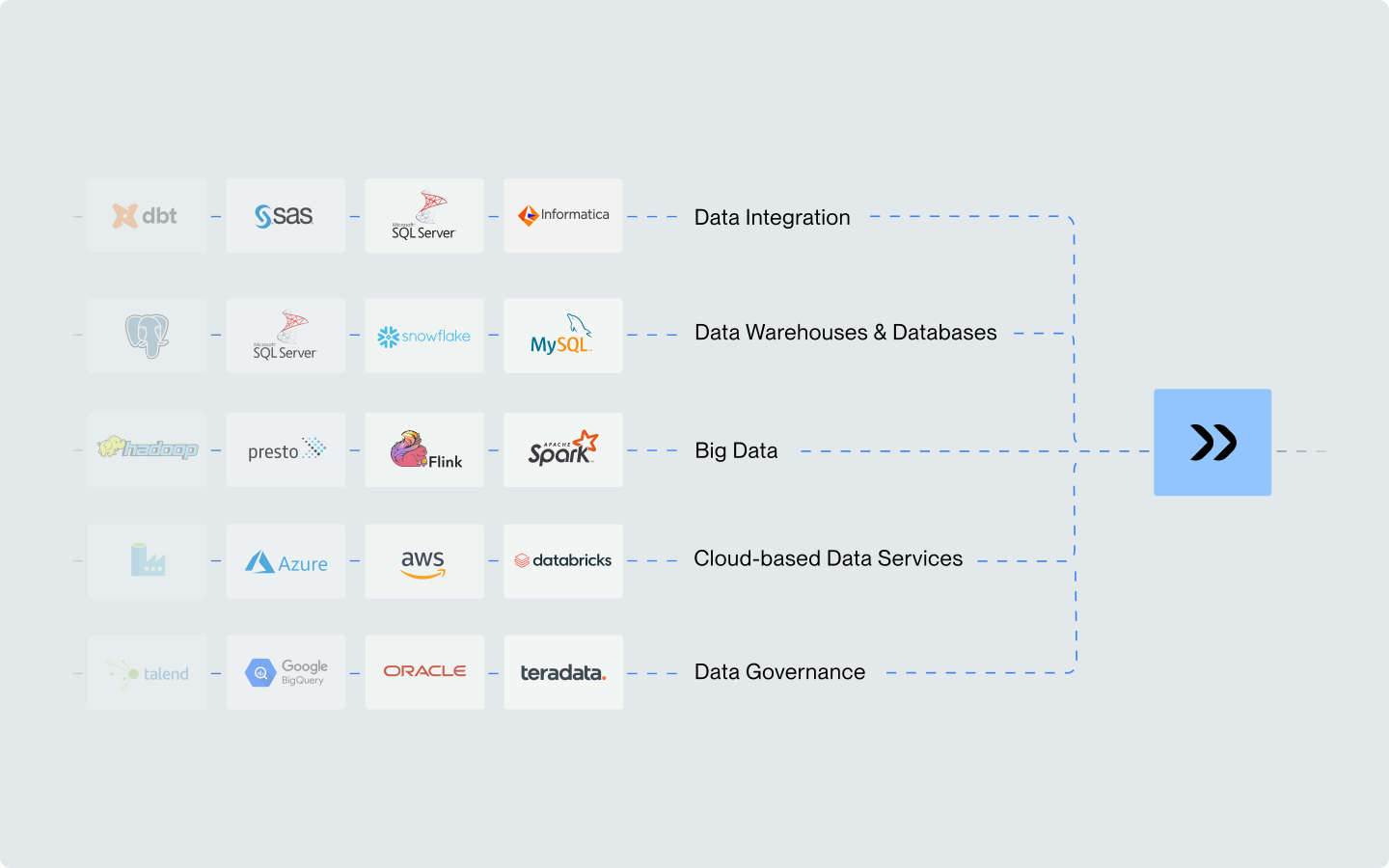
ANOW! Automate Data Pipelines
Why ANOW! Automate Is Built for Your Business
In a multi-cloud world, things can quickly get messy. Your teams are probably juggling different tools, environments, and rules, often without a clear way to bring them all together. That’s exactly where ANOW!® Automate comes in and makes a difference.
It gives you one place to manage and automate everything, whether you're running jobs in AWS, Azure, Google Cloud, on-premise systems, or mainframes. It scales with your business, handles complex workflows without breaking a sweat, and keeps everything running smoothly in the background.
You can deploy it quickly, update it without downtime, and start automating across your systems right away. And because it’s built with enterprise-grade security and compliance in mind, you don’t have to compromise on control or visibility. Our clean, browser-based interface means both IT and business users can get involved – no steep learning curve or gatekeeping.
If you’re ready to stop stitching together tools and start orchestrating your cloud, ANOW! Automate is a perfect fit for you. To learn more, talk to one of our experts and let’s discuss your business needs.
Conclusion
Multi-Cloud Management isn’t easy, and it’s not supposed to be. Fortunately, with the right approach and suitable tools, it doesn’t have to be overwhelming. At the end of the day, automation brings structure to the chaos, helping teams work more efficiently and stay in control. That’s why multi-cloud management isn’t just about technology; it’s about making sure people, processes, and systems can work together without getting in each other’s way. And the sooner you put the right foundations in place, the easier it will be for your business to grow, adapt, and move forward with confidence.
Ready to Orchestrate Your Multi-Cloud Environment?
Connect with our experts to discover how ANOW! Automate can unify your hybrid IT landscape, boost efficiency, and ensure compliance.
:quality(50))
:quality(50))
:quality(50))