Datasheet

Gain Transparency and Efficiency Across Hybrid IT with XINFO

Gain transparency across complex IT landscapes and make relationships between systems, applications, and processes visible. XINFO centralizes critical IT data from mainframe and distributed environments, helping organizations analyze, document, and optimize operations more efficiently. A mainframe is a large computer designed for many simultaneous users and critical applications. More in the glossary

  • Gain Centralized Transparency: Consolidate information from mainframe and distributed systems to gain a comprehensive view of complex IT dependencies and processes. Distributed systems are networked computers that cooperate by passing messages to achieve a common goal. More in the glossary

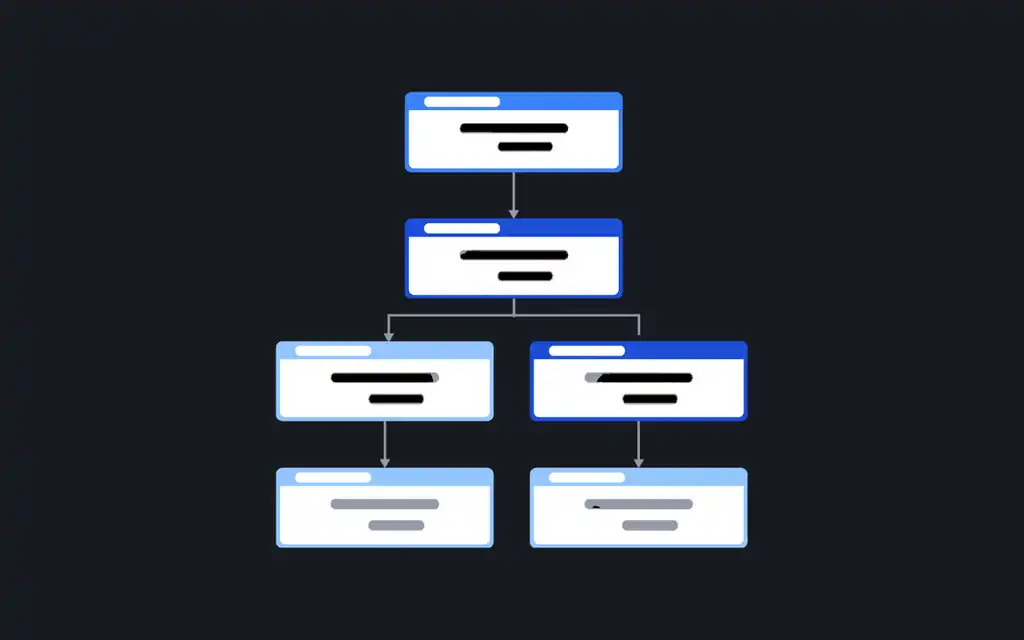
  • Accelerate Analysis and Problem Solving: Visualize dependencies and data flows, perform impact analyses, and identify root causes faster.

  • Simplify Compliance and Documentation: Automate reporting and IT documentation to efficiently support requirements such as DORA, GDPR, and ISO 27001.

Centralize IT Data and Visualize Complex Relationships

XINFO collects, visualizes, and cross-references information from diverse IT systems within a centralized platform. Data from JCL, SMF, DB2, IMS, CICS, and various schedulers can be analyzed through a unified interface. Clear graphical representations of complex dependencies and data flows help teams identify root causes faster, perform reliable impact analyses, and make informed decisions for IT operations and modernization. IT Operations manages daily IT infrastructure and service delivery to meet agreed service levels. More in the glossary

Optimize Operations and Simplify Compliance Compliance and Governance ensures an organization meets legal, regulatory, and internal requirements. More in the glossary

From workload automation and production planning to application development and IT compliance, XINFO supports a broad range of use cases across complex hybrid IT environments. Automated documentation and repeatable reporting help address regulatory requirements such as DORA, GDPR, and ISO 27001, while a modern web UI, flexible queries, REST APIs, and support for Docker, Kubernetes, and OpenShift enable integration into modern IT landscapes. Workload Automation centrally schedules, executes, and monitors IT jobs across platforms. More in the glossary Hybrid cloud combines two or more distinct environments, typically public and private infrastructure. More in the glossary An API is a defined way for software to use the functions or data of another piece of software. More in the glossary Kubernetes is open-source software for running and managing containerized applications across machine clusters. More in the glossary

Further Resources

Blog Article

SAP Automation Guide: Benefits, Tools, and Use Cases (2027)

SAP automation should remove manual work from SAP: invoices typed by hand, data copied between systems, and overnight jobs someone checks every morning. Yet vendors sell different software under that name, from bots that click through SAP screens to platforms that schedule jobs. This guide is about what SAP automation means, how it works, different tools you need, and how dedicated software like Beta Systems’ ANOW!® Automate makes the process easy and repeatable at scale.
Blog Article

SAP Orchestration Guide: Tools, Use Cases & Process (2027)

Most SAP landscapes run on a patchwork of systems that were never designed to talk to each other, and getting them to work as one is one of the most persistent headaches an SAP-centric IT team faces. SAP orchestration is the umbrella term for the tools and processes that coordinate work across those systems, from integration middleware to AI model pipelines. This guide breaks down what SAP orchestration actually covers, how SAP Process Orchestration compares to SAP Integration Suite, what PO's approaching end of maintenance means for your timeline, and how to think about tool coverage once you look past SAP's own stack.
Blog Article

7 Best Batch Processing Software for Enterprise Applications

You need batch processing software that completes every job within the batch window across mainframe, SAP, and cloud. Yet one batch chain rarely stays on one system, and windows slip at the handoffs. When you need to migrate batch workloads, judge platforms by how far their dependencies reach and how vendors convert job definitions and calendars from your current scheduler. Here are the 7 platforms worth a shortlist.